













You go to bed. Nose completely clear, no cold, nothing wrong.
Twenty minutes later you’re lying there breathing like a freight train. Your nose is blocked and you have no idea why.
Sound familiar? For a lot of people, this is every night. Most of them think they’re just unlucky or have a sensitive nose. But there are very concrete reasons your nose gets blocked at night, and just as concrete things you can do about it.
Why your nose is more blocked at night than during the day
When you lie down, something changes in your body. During the day, gravity helps pull fluid in your body downward. As soon as you lie flat, that effect disappears and more blood flows to your head and the lining of your nose.
That lining swells slightly in response to the extra blood. And a swollen lining means a narrower nasal passage. Less room for air, more resistance, and before you know it you’re breathing through your mouth.
That’s the most common reason, but not the only one.
Other causes a lot of people overlook
Dry air is a big culprit, especially in winter when the heating is on. Dry air irritates the lining of your nose, so it makes more mucus to protect itself. More mucus means you feel more blocked.
Allergies play a role too, even if you don’t think you’re allergic. Dust mites live in your mattress, your pillow and your bedding. Lots of people react mildly to dust mites without knowing it, and that reaction is strongest at night, because you’re literally pressing your face into the place they live.
Alcohol and certain medications widen your blood vessels, including the ones in the lining of your nose. A glass of wine before bed can already make your nose noticeably more blocked than usual.
And then there’s the habit itself. If you’re used to breathing through your mouth, you train your body to keep doing it. Your nose gets used less, your nasal passage adapts, and breathing through your nose feels harder and harder. It’s a process that feeds itself.
What you can do about it
Raise the humidity in your bedroom. A humidifier helps keep the lining of your nose hydrated, so it swells and gets irritated less easily. A smart investment, especially in winter.
Wash your bedding regularly at a high temperature, at least once a week, to cut down on dust mites. And consider an anti-allergy mattress cover if you’re sensitive.
Sleep with your head a little higher. An extra pillow or a slightly raised head of the bed helps reduce blood flow to the lining of your nose, so it’s less likely to swell.
Rinse your nose before bed with a nasal rinse or saline spray. It clears allergens, dust and irritants out of your nasal passage and helps keep the lining calm.
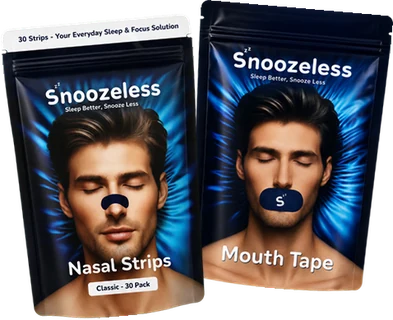
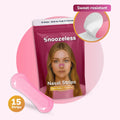
Use Nasal Strips. Nasal strips gently pull the sides of your nose outward, mechanically widening the opening of your nasal passage. No medication, no side effects, just more room for air. Especially handy if the lining of your nose is swollen or your nasal passage is naturally a bit narrow.
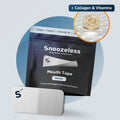
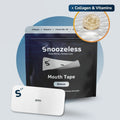
And stop breathing through your mouth. The more you breathe through your mouth, the less your nose gets used, and the more blocked it feels. Mouth tape keeps your mouth closed and gets your body to breathe through your nose. It can feel strange at first, but your nose adapts. The more you breathe through your nose, the easier it gets.
This week’s habit
This week, try Nasal Strips together with mouth tape. The nasal strips keep your nasal passage open, the mouth tape keeps your mouth closed. Together they leave your body no choice but to breathe through your nose.
Seven nights. See how your nose adapts.
1% better every night.
Guy Veeke


